Understanding Credit Scores in Singapore A Comprehensive Guide
A comprehensive guide for Singapore residents to understand how credit scores work, their importance, and how to maintain a good one.

A comprehensive guide for Singapore residents to understand how credit scores work, their importance, and how to maintain a good one.
Understanding Credit Scores in Singapore A Comprehensive Guide
Hey there, Singaporeans! Ever wondered what that mysterious three-digit number called a credit score actually means for your financial life? You're not alone. Many people find credit scores a bit opaque, but trust me, understanding yours is super important for everything from getting a new phone plan to buying your dream home. This guide is going to break down everything you need to know about credit scores in Singapore, why they matter, and how you can keep yours in tip-top shape.
What Exactly is a Credit Score and Why Does it Matter in Singapore?
Alright, let's start with the basics. A credit score is essentially a numerical representation of your creditworthiness. Think of it as a financial report card that lenders use to assess how likely you are to repay borrowed money. In Singapore, the primary credit bureau is the Credit Bureau Singapore (CBS). They collect information from various financial institutions about your borrowing and repayment habits, then crunch those numbers to generate your score.
So, why does this number hold so much weight? Well, a good credit score can open doors to better financial products. We're talking lower interest rates on loans (like for your HDB flat or car), easier approval for credit cards, and even better terms on things like personal loans. On the flip side, a poor credit score can make it tough to get approved for credit, or if you do, you might end up paying much higher interest rates. It can even affect things you might not expect, like getting certain utility services or even some job applications where financial responsibility is key.
How is Your Credit Score Calculated The CBS Score Explained
The Credit Bureau Singapore (CBS) uses a proprietary algorithm to calculate your credit score, which ranges from 1000 to 2000. Generally, the higher your score, the better. While the exact formula is a trade secret (like KFC's 11 herbs and spices!), we know the key factors that influence it. Let's dive into them:
Payment History Your Track Record of Repayment
This is arguably the most crucial factor. Lenders want to see that you pay your bills on time, every time. Late payments, defaults, or bankruptcies will significantly drag down your score. Conversely, a consistent history of timely payments will boost it. This includes payments for credit cards, personal loans, housing loans, and even hire purchase agreements.
Credit Utilisation Ratio How Much Credit You're Using
This refers to the amount of credit you're currently using compared to your total available credit limit. For example, if you have a credit card with a S$10,000 limit and you've spent S$5,000, your utilisation is 50%. A high utilisation ratio (generally above 30%) can signal to lenders that you might be over-reliant on credit, which can negatively impact your score. It's always a good idea to keep your credit card balances low relative to your limits.
Length of Credit History How Long You've Been Borrowing
The longer your credit history, the better. Lenders prefer to see a long track record of responsible borrowing. If you're new to credit, don't worry, everyone starts somewhere. Just be patient and build your history responsibly. Avoid closing old credit accounts, even if you don't use them much, as this can shorten your average credit age.
Types of Credit Used Your Credit Mix
Having a healthy mix of different types of credit (e.g., a credit card, a personal loan, a housing loan) can positively influence your score. It shows that you can responsibly manage various forms of credit. However, don't go opening new accounts just for the sake of it; only take on credit you genuinely need and can manage.
New Credit Applications Recent Inquiries
Each time you apply for new credit (a credit card, a loan, etc.), a 'hard inquiry' is made on your credit report. Too many hard inquiries in a short period can make you look desperate for credit, which can slightly lower your score. It's best to space out your credit applications and only apply when you genuinely need to.
Understanding Your CBS Credit Report and Score
You can obtain your credit report and score directly from the Credit Bureau Singapore (CBS). It's a good practice to check it at least once a year to ensure accuracy and understand your financial standing. Here's what you'll typically find in your report:
- Credit Score: Your three-digit number.
- Account Information: Details of all your credit accounts, including credit cards, loans, and their payment status.
- Payment History: A detailed record of your payments, highlighting any late payments or defaults.
- Inquiries: A list of all recent credit inquiries made by lenders.
- Public Records: Information on bankruptcies or other public financial records, if any.
It's crucial to review your report for any errors. Mistakes can happen, and an incorrect entry could negatively impact your score. If you find any discrepancies, you can dispute them directly with CBS.
How to Maintain a Good Credit Score in Singapore Practical Tips
Now that you know what goes into your credit score, let's talk about how to keep it healthy. These tips are straightforward but incredibly effective:
Pay Your Bills On Time Every Time
This is non-negotiable. Set up automatic payments for your credit cards and loan instalments. If you can't pay the full amount on your credit card, at least pay the minimum due to avoid late payment fees and negative marks on your report. Missing payments is the quickest way to damage your score.
Keep Your Credit Utilisation Low
Aim to keep your credit card balances below 30% of your credit limit. For example, if your limit is S$10,000, try to keep your balance below S$3,000. If you find yourself consistently using a high percentage of your available credit, it might be a sign to re-evaluate your spending habits.
Don't Close Old Credit Accounts
As mentioned earlier, the length of your credit history matters. Closing old, unused credit cards can shorten your average credit age, which might slightly lower your score. If you're worried about overspending, simply cut up the card but keep the account open.
Limit New Credit Applications
Only apply for credit when you genuinely need it. Each application results in a hard inquiry, and too many in a short period can be a red flag for lenders. If you're shopping for a loan, try to do it within a short timeframe (e.g., 14-30 days) as multiple inquiries for the same type of loan within that period might be treated as a single inquiry by some scoring models.
Regularly Check Your Credit Report
Make it a habit to check your CBS credit report at least once a year. This helps you spot any errors or fraudulent activity early on. You can purchase your report directly from the CBS website or at their office.
Manage Your Debt Responsibly
Avoid taking on more debt than you can comfortably manage. If you find yourself struggling, seek help early. Debt consolidation or credit counselling services can provide valuable assistance.
Specific Products and Scenarios How Your Credit Score Impacts You
Let's get into some real-world examples of how your credit score plays a role in Singapore:
Credit Cards Getting Approved and Better Rewards
When you apply for a credit card, banks will definitely check your credit score. A good score (typically 1800 and above) makes you a more attractive applicant, increasing your chances of approval and potentially qualifying you for premium cards with better rewards, higher credit limits, and lower interest rates. For instance, if you're eyeing a high-tier card like the UOB One Card (known for its cashback) or the Citi PremierMiles Card (great for travel points), a strong credit score is almost a prerequisite. If your score is lower, you might only qualify for basic cards or even be rejected.
Personal Loans Interest Rates and Loan Amounts
Need a personal loan for an emergency or a big purchase? Your credit score will heavily influence the interest rate you're offered. Lenders like DBS, OCBC, and Standard Chartered offer various personal loan products. For example, a borrower with an excellent credit score might get an effective interest rate (EIR) as low as 3-5% per annum, while someone with a fair score could be looking at 8-12% or even higher. The loan amount you're eligible for is also tied to your creditworthiness. Products like the DBS Personal Loan or OCBC ExtraCash Loan will have different tiers of eligibility based on your credit profile.
Housing Loans Your HDB or Private Property Dream
This is where your credit score really shines (or falters). Whether you're applying for an HDB loan or a bank loan for a private property, your credit score is a critical factor. Banks like UOB, Maybank, and HSBC will scrutinise your credit report. A good score can lead to better interest rates on your mortgage, saving you tens of thousands of dollars over the loan tenure. For example, a difference of just 0.5% in interest rate on a S$500,000 loan over 25 years can mean a significant amount of extra money paid. If your score is poor, you might face higher rates, stricter terms, or even outright rejection, making your homeownership dream much harder to achieve. The DBS Home Loan or OCBC Home Loan products are highly competitive, but access to their best rates is reserved for those with strong credit profiles.
Car Loans Getting That Ride
Similar to housing loans, your credit score impacts the interest rate on your car loan. Dealerships and banks (like POSB or CIMB) offering car financing will check your credit. A good score means a lower interest rate, reducing your monthly repayments and the total cost of your car. For example, a S$80,000 car loan over 7 years could see a substantial difference in total cost between a 2.5% and a 4.5% interest rate, all influenced by your credit score.
Mobile Phone Contracts and Utility Services
Believe it or not, even signing up for a new mobile phone contract with providers like Singtel, StarHub, or M1, or setting up utility accounts with SP Group, can involve a credit check. While not as stringent as a loan application, a very poor credit history could lead to requests for higher deposits or even rejection for certain plans. They want to ensure you're reliable in paying your monthly bills.
Insurance Premiums Some Insurers Check
While not as common in Singapore as in some other countries, some insurance providers might consider your credit history when determining premiums for certain types of insurance, especially for non-life policies. They see a correlation between financial responsibility and lower risk. This is less prevalent for basic health or life insurance but can pop up for things like car insurance or even some business insurance policies.
Rebuilding Your Credit Score After a Setback
Life happens, and sometimes your credit score takes a hit. Maybe you had a period of unemployment, a medical emergency, or just made some financial missteps. Don't despair! Rebuilding your credit score is absolutely possible, though it takes time and discipline.
1. Get Your Credit Report and Understand the Damage
First things first, get a copy of your CBS credit report. Understand exactly what caused the drop. Was it late payments, a default, or something else? Knowing the root cause helps you address it directly.
2. Address Any Errors Immediately
If you find any inaccuracies on your report, dispute them with CBS right away. Provide any supporting documentation you have. Getting errors removed can significantly improve your score.
3. Pay All Your Bills On Time Going Forward
This is the most critical step. From this point on, commit to paying every single bill on time. Set up reminders, automatic payments, or use budgeting apps to help you stay on track. Consistency is key here.
4. Reduce Your Credit Card Balances
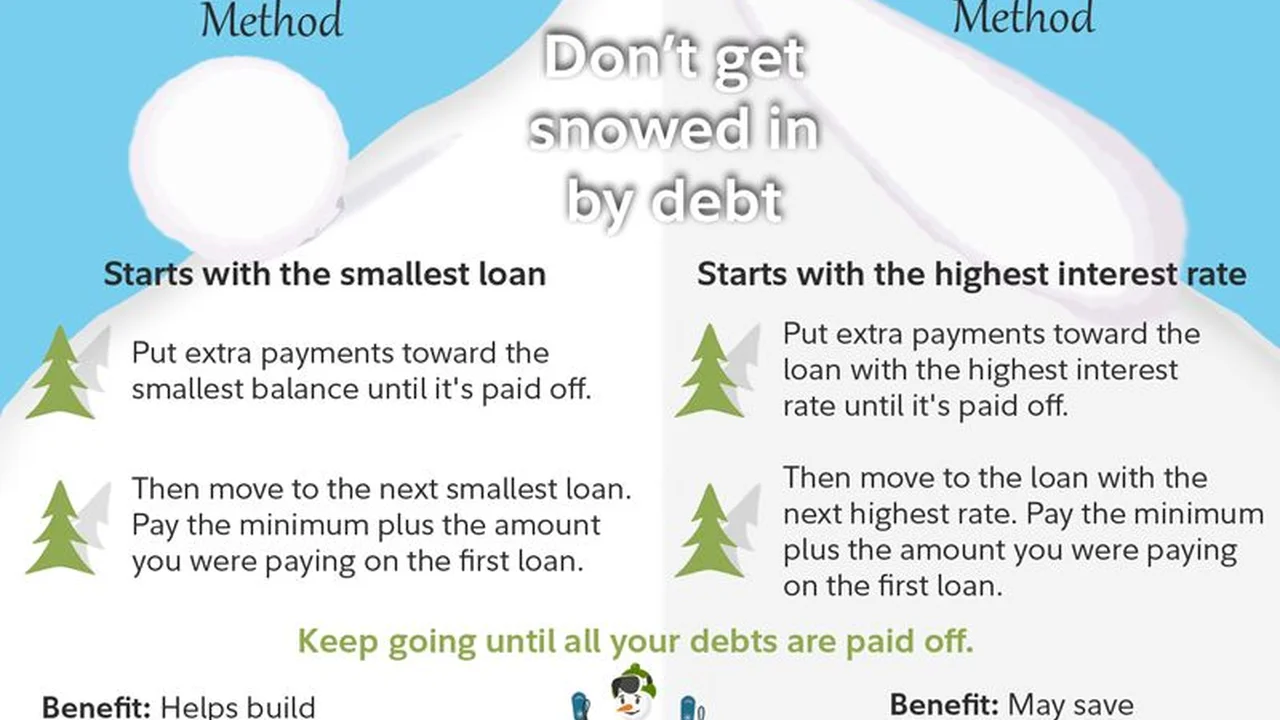
If you have high credit card debt, focus on paying it down. Aim to get your credit utilisation ratio below 30%. If you have multiple cards, consider using the 'debt snowball' or 'debt avalanche' method to tackle them systematically.
5. Consider a Secured Credit Card (If Necessary)
If you're struggling to get approved for a regular credit card, a secured credit card might be an option. You deposit a sum of money with the bank, which becomes your credit limit. This card works like a regular credit card, and responsible use (paying on time) helps build your credit history. Banks like DBS or OCBC might offer secured options, though you'll need to inquire directly.
6. Avoid New Credit Applications for a While
While you're rebuilding, try to avoid applying for new credit. Each hard inquiry can temporarily ding your score. Focus on demonstrating responsible behaviour with your existing accounts.
7. Be Patient
Rebuilding credit takes time. Negative marks like late payments can stay on your report for a few years, but their impact lessens over time as you establish a new history of positive payments. Stay consistent, and you'll see your score improve.
The Future of Credit Scoring in Singapore
The financial landscape is always evolving, and so are credit scoring models. We might see more emphasis on alternative data points in the future, such as utility payments, rental history, or even how you manage your savings accounts. While the core principles of responsible borrowing will always remain, staying informed about these changes can help you adapt. For now, focusing on the fundamentals of timely payments and responsible credit use is your best bet for a healthy credit score in Singapore.
So there you have it! Your credit score isn't just a number; it's a powerful tool that can significantly impact your financial journey in Singapore. By understanding how it works and actively managing it, you're setting yourself up for a much smoother and more affordable financial future. Keep those payments on time, keep your credit utilisation low, and you'll be golden!
:max_bytes(150000):strip_icc()/277019-baked-pork-chops-with-cream-of-mushroom-soup-DDMFS-beauty-4x3-BG-7505-5762b731cf30447d9cbbbbbf387beafa.jpg)