How to Rebuild Credit After Bankruptcy in the US
A guide for US individuals on how to effectively rebuild their credit score after filing for bankruptcy.
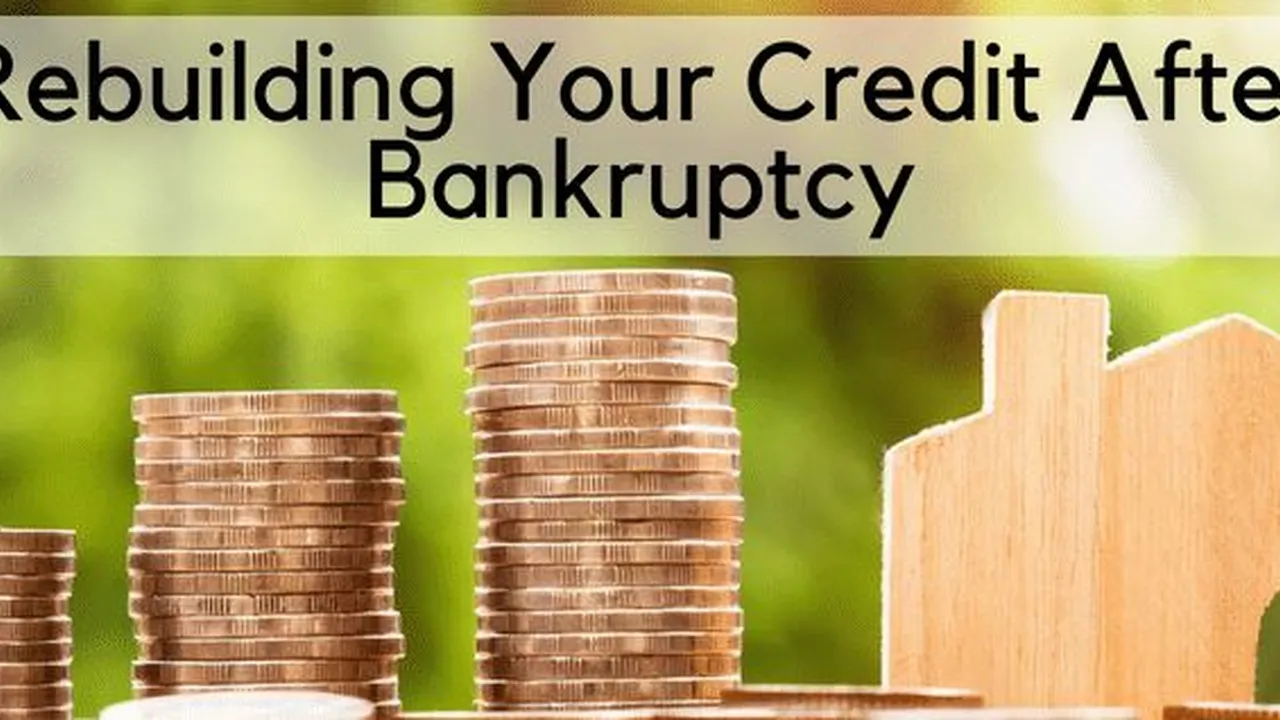
A guide for US individuals on how to effectively rebuild their credit score after filing for bankruptcy. Filing for bankruptcy can feel like hitting the financial reset button, but it's also a significant hurdle for your credit score. While bankruptcy offers a fresh start, it leaves a substantial mark on your credit report for years—typically 7 to 10 years, depending on the type of bankruptcy. But don't despair! Rebuilding your credit after bankruptcy is absolutely possible, and many people successfully navigate this path to a stronger financial future. This comprehensive guide will walk you through the essential steps, strategies, and product recommendations to help you effectively rebuild your credit score in the US.
How to Rebuild Credit After Bankruptcy in the US
Understanding the Impact of Bankruptcy on Your Credit Score
Before diving into rebuilding, it's crucial to understand what bankruptcy does to your credit. A bankruptcy filing, whether Chapter 7 or Chapter 13, will cause a significant drop in your credit score. This is because it signals to lenders that you've had difficulty managing debt in the past. The specific impact varies based on your score before bankruptcy; a higher score will generally see a more dramatic drop. Furthermore, the bankruptcy will remain on your credit report for a considerable period: Chapter 7 bankruptcies stay for 10 years from the filing date, while Chapter 13 bankruptcies remain for 7 years from the filing date. During this time, obtaining new credit, especially unsecured credit, can be challenging. However, it's not impossible, and proactive steps can significantly shorten the recovery period.Immediate Steps After Bankruptcy Discharge: Credit Report Review
Once your bankruptcy is discharged, your first and most critical step is to obtain copies of your credit reports from all three major credit bureaus: Experian, Equifax, and TransUnion. You are entitled to one free report from each bureau annually through AnnualCreditReport.com. Review these reports meticulously for accuracy. Ensure that all accounts included in your bankruptcy are reported as 'discharged in bankruptcy' or 'included in bankruptcy' with a zero balance. Any accounts that are still showing an outstanding balance or are not correctly marked as discharged need to be disputed immediately. Incorrect information can further hinder your credit rebuilding efforts. This initial cleanup is vital for a fresh start.Building a Foundation: Secured Credit Cards for Credit Rebuilding
One of the most effective tools for rebuilding credit after bankruptcy is a secured credit card. Unlike traditional unsecured credit cards, a secured card requires a cash deposit, which typically becomes your credit limit. This deposit minimizes the risk for the lender, making it easier to qualify even with a recent bankruptcy. The key is that your payment activity on a secured card is reported to the credit bureaus, just like an unsecured card. Consistent, on-time payments will demonstrate responsible credit behavior and help improve your score.Recommended Secured Credit Cards for Post-Bankruptcy Credit Building
When choosing a secured credit card, look for one that reports to all three major credit bureaus, has a low annual fee (or no annual fee), and offers a path to upgrade to an unsecured card in the future.- Discover it Secured Credit Card: This is often considered one of the best secured cards. It reports to all three bureaus, offers cash back rewards (1% on all purchases, 2% at gas stations and restaurants on up to $1,000 in combined purchases each quarter), and Discover automatically reviews your account after 7 months to see if you qualify to transition to an unsecured card and get your deposit back. There's no annual fee.
- Capital One Platinum Secured Credit Card: This card is known for its flexible security deposit options, sometimes allowing a lower deposit for a higher credit limit based on creditworthiness. It reports to all three bureaus and has no annual fee. While it doesn't offer rewards, it's a solid choice for building credit.
- OpenSky Secured Visa Credit Card: This card is unique because it doesn't require a credit check to apply, making it highly accessible for those with very poor credit or recent bankruptcy. It reports to all three bureaus, but it does have an annual fee (typically around $35).
Using Secured Cards Responsibly: Key Strategies
To maximize the credit-building potential of a secured card:- Keep your credit utilization low: Aim to use no more than 30% of your credit limit. For example, if your limit is $300, try to keep your balance below $90. Lower is always better.
- Pay your bill on time, every time: This is the most crucial factor. Set up automatic payments or reminders to ensure you never miss a due date.
- Pay in full: If possible, pay your balance in full each month to avoid interest charges and demonstrate excellent financial management.
Exploring Credit Builder Loans: An Alternative Credit Building Tool
Credit builder loans are another excellent option, especially if you're hesitant about credit cards or want to diversify your credit-building efforts. With a credit builder loan, you don't receive the money upfront. Instead, the loan amount is held in a locked savings account or certificate of deposit (CD) while you make monthly payments. Once the loan is paid in full, you receive the money. The lender reports your on-time payments to the credit bureaus, helping to build your payment history.Recommended Credit Builder Loan Providers for Post-Bankruptcy
Look for providers that report to all three credit bureaus and have reasonable administrative fees or interest rates.- Self Credit Builder Account: Self (formerly Self Lender) is a popular choice. They offer credit builder accounts that function as installment loans. You choose a loan amount and term, make monthly payments, and at the end, you get the money (minus interest and fees). They report to all three bureaus.
- Local Credit Unions: Many local credit unions offer credit builder loans with favorable terms to their members. It's worth checking with credit unions in your area, as they often have a community-focused approach.
Maximizing Credit Builder Loans for Credit Score Improvement
- Consistent Payments: Just like with secured cards, timely payments are paramount.
- Affordable Loan Amount: Choose a loan amount and monthly payment that you can comfortably afford without stretching your budget.
Authorized User Status: Leveraging Someone Else's Good Credit
If you have a trusted family member or friend with excellent credit and a long, positive credit history, they might be willing to add you as an authorized user on one of their credit cards. When you're an authorized user, that account's payment history (and credit limit/utilization) can appear on your credit report, potentially boosting your score. However, this strategy comes with caveats:- Trust is Key: Ensure you trust the primary cardholder implicitly, as their payment behavior will directly impact your credit.
- Responsible Use: If you are given a card, use it responsibly and communicate clearly about payments.
- Not All Lenders Report: Some card issuers do not report authorized user activity to all bureaus, or they may not report it in a way that significantly benefits your score.
Responsible Financial Habits: The Cornerstone of Credit Rebuilding
Beyond specific credit products, adopting sound financial habits is the bedrock of long-term credit recovery and financial health. These practices will not only help your credit score but also prevent future financial distress.Budgeting and Financial Planning for Post-Bankruptcy Success
Create and stick to a realistic budget. Track your income and expenses to ensure you're living within your means and have enough money to cover your new credit obligations. Tools like Mint, YNAB (You Need A Budget), or even a simple spreadsheet can be incredibly helpful. Understanding where your money goes is the first step to controlling it.Saving for Emergencies: Building a Financial Safety Net
One of the reasons many people face financial difficulties leading to bankruptcy is a lack of an emergency fund. Start building a savings cushion, even if it's small at first. Aim for at least three to six months' worth of living expenses. This fund can prevent you from relying on credit cards or high-interest loans when unexpected expenses arise, thus protecting your newly rebuilt credit.Paying Bills on Time: The Golden Rule of Credit
This cannot be stressed enough. Payment history is the most significant factor in your credit score. Make sure all your bills—not just credit card bills, but also utilities, rent, and any new loan payments—are paid on time, every time. Set up automatic payments or calendar reminders to avoid missing due dates.Keeping Credit Utilization Low: Managing Your Available Credit
As mentioned with secured cards, keeping your credit utilization ratio low is crucial. This ratio compares the amount of credit you're using to the total amount of credit available to you. A high utilization ratio signals to lenders that you might be over-reliant on credit. Aim for under 30%, but ideally, keep it below 10% for the best impact on your score.Considering Unsecured Credit After a Period of Rebuilding
After 12-24 months of responsible use of secured cards and/or credit builder loans, you might start to qualify for unsecured credit cards designed for people with fair or average credit. These cards typically have higher interest rates and lower limits than prime cards, but they are a stepping stone to better credit products.Examples of Unsecured Cards for Fair Credit
- Petal 2 Visa Credit Card: This card is known for its cash back rewards and for considering more than just your credit score, looking at your banking history to determine creditworthiness. It has no annual fee.
- Capital One Platinum Credit Card: This is an unsecured card for those with average credit. It has no annual fee and can be a good option for continuing to build credit after secured cards.
- Mission Lane Visa Credit Card: This card is designed for those with less-than-perfect credit. It reports to all three bureaus and can help improve your score with responsible use, though it may have an annual fee.
:max_bytes(150000):strip_icc()/277019-baked-pork-chops-with-cream-of-mushroom-soup-DDMFS-beauty-4x3-BG-7505-5762b731cf30447d9cbbbbbf387beafa.jpg)