Identify five key signs that indicate you might be carrying too much debt in the US and need to take action.
Identify five key signs that indicate you might be carrying too much debt in the US and need to take action.
Top 5 Signs You Are in Too Much Debt in the US
Understanding Debt and Its Impact on Your Financial Health
Hey everyone! Let's talk about something super important that many of us face: debt. It's a common part of modern life, whether it's student loans, a mortgage, car payments, or credit card balances. But when does 'normal' debt cross the line into 'too much' debt? Recognizing the signs early can be a game-changer for your financial well-being. In the US, where consumer credit is readily available, it's easy to fall into the trap of over-indebtedness. This article will walk you through five key indicators that you might be carrying too much debt and what you can do about it. We'll also dive into some practical tools and resources to help you get back on track.
Sign 1 Struggling to Make Minimum Payments on Your Debts
One of the most glaring red flags that you're in over your head with debt is when you start struggling to make even the minimum payments on your credit cards, loans, or other financial obligations. This isn't just about feeling a pinch; it's about genuinely not having enough money to cover those basic required payments each month. If you find yourself constantly juggling which bill to pay, paying one late to cover another, or only being able to afford the minimums on all your credit cards, it's a strong indicator that your debt load is unsustainable.
Think about it: minimum payments are designed to keep you in debt longer, maximizing the interest you pay. If you can barely meet these, you're likely not making any real progress on the principal, and your debt could even be growing due to interest accrual. This situation often leads to late fees, damaged credit scores, and increased stress. It's a vicious cycle that needs to be broken.
Sign 2 Relying on Credit Cards for Everyday Expenses and Necessities
Another major warning sign is when you start using credit cards not for convenience or rewards, but out of necessity for everyday expenses. This includes things like groceries, utilities, gas, or even rent. If your monthly income isn't enough to cover your basic living costs, and you're consistently swiping your credit card to bridge that gap, you're essentially borrowing money to live. This is a dangerous path because it means your debt is growing while your ability to pay it back isn't improving.
This behavior often stems from a lack of an emergency fund or an income that simply doesn't match your cost of living. While credit cards can be useful tools, they should never be a substitute for a stable income or a well-managed budget. If you're in this situation, it's crucial to re-evaluate your spending habits and income sources immediately.
Sign 3 Your Debt to Income Ratio is Too High Understanding DTI
Your debt-to-income (DTI) ratio is a critical metric that lenders use to assess your ability to manage monthly payments and repay debts. It's calculated by dividing your total monthly debt payments by your gross monthly income. Generally, a DTI ratio of 36% or less is considered healthy, though some lenders might go up to 43% for certain loans like mortgages. If your DTI ratio is consistently above these thresholds, it's a strong indication that you have too much debt relative to your earnings.
Let's break it down with an example. Suppose your gross monthly income is $5,000. Your monthly debt payments include: $300 for a car loan, $150 for student loan payments, and $200 in minimum credit card payments. Your total monthly debt payments would be $650. Your DTI would be $650 / $5,000 = 0.13 or 13%. This is a very healthy DTI. Now, imagine your debt payments are $2,000 per month. Your DTI would be $2,000 / $5,000 = 0.40 or 40%. This is getting high and could make it difficult to secure new loans or even manage your existing ones comfortably.
Knowing your DTI can help you understand your financial standing from a lender's perspective and give you a clear target for debt reduction. There are many free online DTI calculators you can use to quickly figure out where you stand. Just search for 'debt to income ratio calculator US' and you'll find plenty of options.
Sign 4 Receiving Collection Calls or Notices from Creditors
This sign is pretty straightforward and often one of the most stressful. If you're receiving frequent phone calls, emails, or letters from collection agencies or your creditors about overdue payments, it's a definitive sign that your debt has become unmanageable. Creditors typically don't send accounts to collections until payments are significantly past due, usually 30, 60, or 90 days late.
Ignoring these calls or notices won't make the problem go away; in fact, it will only worsen your credit score and potentially lead to legal action. This situation indicates a serious breakdown in your ability to meet your financial obligations and requires immediate attention. It's a clear signal that you need to seek help and develop a concrete plan to address your debt.
Sign 5 Experiencing Significant Financial Stress and Anxiety
While the previous signs are quantitative, this one is more qualitative but equally important. If your debt is causing you significant stress, anxiety, sleepless nights, or impacting your relationships, it's a strong indicator that you have too much debt. Financial stress can manifest in various ways, from constant worry about bills to avoiding financial discussions altogether. It can affect your physical and mental health, productivity at work, and overall quality of life.
Debt-related stress is a serious issue, and recognizing its impact on your well-being is crucial. If you find yourself constantly thinking about money problems, feeling overwhelmed, or experiencing physical symptoms of stress, it's time to acknowledge that your debt is more than just a financial burden; it's a personal one that needs to be addressed.
Taking Action Practical Steps and Product Recommendations for Debt Management
Okay, so you've identified with one or more of these signs. Don't panic! The good news is that recognizing the problem is the first and most important step towards solving it. Here are some practical steps you can take, along with some product recommendations that can help you manage and reduce your debt.
Step 1 Create a Detailed Budget and Track Your Spending
Before you can tackle your debt, you need to understand where your money is going. A detailed budget will help you identify areas where you can cut back and free up more money for debt repayment.
* Product Recommendation: Budgeting Apps
* You Need A Budget (YNAB): This app is fantastic for a zero-based budgeting approach. It helps you give every dollar a job, ensuring you know exactly where your money is going. It costs around $14.99/month or $99/year after a free trial. It's great for those who want a hands-on approach to budgeting and are serious about changing their financial habits.
* Mint: A free app that links to your bank accounts and credit cards, categorizes your spending, and helps you create budgets. It's user-friendly and great for getting an overview of your finances. While it's free, it does show ads for financial products.
* Personal Capital (now Empower Personal Wealth): Offers free budgeting tools, investment tracking, and retirement planning. It's more comprehensive than Mint and great for those who want to manage their entire financial picture in one place. Free for basic features, with paid advisory services available.
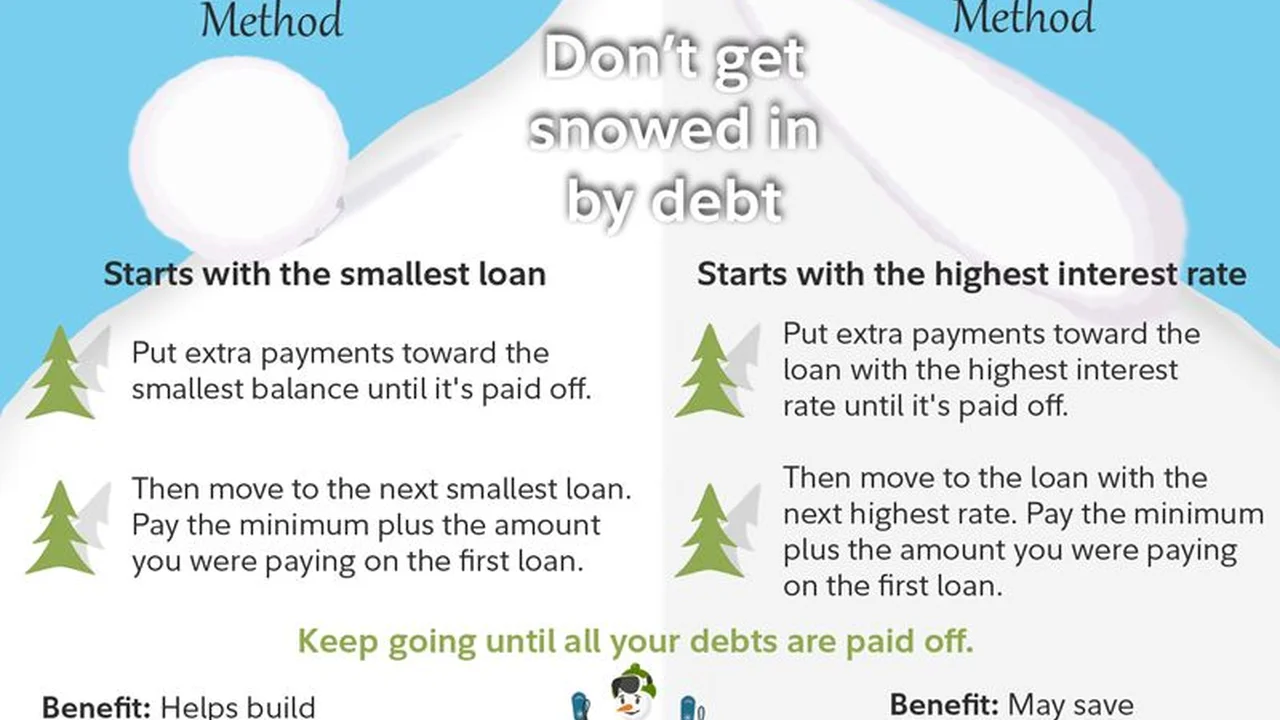
Step 2 Prioritize Your Debts Debt Snowball vs Debt Avalanche
Once you have a clear picture of your finances, you can choose a debt repayment strategy. The two most popular methods are the debt snowball and debt avalanche.
* Debt Snowball: You pay off your smallest debt first, regardless of interest rate, while making minimum payments on others. Once the smallest is paid, you roll that payment into the next smallest debt. This method provides psychological wins, keeping you motivated.
* Debt Avalanche: You pay off the debt with the highest interest rate first, while making minimum payments on others. This method saves you the most money on interest over time.
* Product Recommendation: Debt Management Tools
* Undebt.it: A free online tool that helps you visualize your debt repayment plan using both snowball and avalanche methods. It connects to your accounts (or you can manually input data) and shows you how quickly you can become debt-free. It's highly customizable and great for planning.
* Tally: This app helps you manage credit card debt. It can automatically pay your credit cards for you, potentially saving you money on interest by offering a lower-interest line of credit. It charges a monthly fee (typically $5-20) or a percentage of savings, depending on your credit profile and the services you use. It's best for those with multiple credit cards and good credit who want to automate their debt repayment.
Step 3 Consider Debt Consolidation or Refinancing
If you have multiple high-interest debts, consolidating them into a single loan with a lower interest rate can simplify payments and save you money.
* Product Recommendation: Debt Consolidation Loans
* Personal Loans from Banks/Credit Unions: Many traditional banks (like Chase, Wells Fargo, Bank of America) and credit unions offer personal loans for debt consolidation. Interest rates vary widely based on your credit score, typically ranging from 6% to 36%. Credit unions often have more favorable rates for members. You'll need a decent credit score (usually 670+) to qualify for the best rates.
* Online Lenders (e.g., LightStream, SoFi, Marcus by Goldman Sachs): These lenders often offer competitive rates and a streamlined application process. LightStream is known for excellent rates for those with strong credit (rates can be as low as 5-7% APR), while SoFi and Marcus also offer good options for various credit profiles (rates typically 7-25% APR). They are great for quick approvals and often have no origination fees.
* Balance Transfer Credit Cards: These cards allow you to transfer high-interest credit card balances to a new card with a 0% introductory APR for a period (usually 12-21 months). Be aware of balance transfer fees (typically 3-5% of the transferred amount) and make sure you can pay off the balance before the intro period ends. Popular options include cards from Chase, Citi, and Discover. These are ideal for those who can pay off their debt within the promotional period.
Step 4 Negotiate with Creditors
Sometimes, creditors are willing to work with you, especially if you're proactive. You might be able to negotiate lower interest rates, a reduced principal, or a more manageable payment plan.
* Product Recommendation: Credit Counseling Agencies
* National Foundation for Credit Counseling (NFCC) members: Non-profit credit counseling agencies affiliated with the NFCC (like GreenPath Financial Wellness, Money Management International) offer free or low-cost counseling. They can help you create a budget, negotiate with creditors, and set up a Debt Management Plan (DMP). A DMP consolidates your payments into one monthly payment to the agency, which then distributes it to your creditors, often with reduced interest rates. Fees for DMPs are usually minimal, around $25-50 per month, plus a setup fee. This is a great option if you're overwhelmed and need professional guidance.
Step 5 Increase Your Income
While cutting expenses is important, increasing your income can significantly accelerate your debt repayment journey.
* Strategies: Consider a side hustle, ask for a raise, or explore opportunities for career advancement. Even a small increase in income can make a big difference when consistently applied to your debt.
Step 6 Build an Emergency Fund
One of the reasons people fall into debt is a lack of an emergency fund. Unexpected expenses (car repairs, medical bills, job loss) can quickly derail your financial stability. Aim to save at least 3-6 months' worth of living expenses.
* Product Recommendation: High-Yield Savings Accounts
* Online Banks (e.g., Ally Bank, Discover Bank, Marcus by Goldman Sachs): These banks typically offer much higher interest rates on savings accounts compared to traditional brick-and-mortar banks (often 4-5% APY or more). They are FDIC-insured, making them safe places to stash your emergency fund. They usually have no monthly fees or minimum balance requirements, making them accessible to everyone.
Final Thoughts on Managing Your Debt Journey
Recognizing the signs of too much debt is the first step toward financial freedom. It's a journey, not a sprint, and there will be ups and downs. But by taking proactive steps, utilizing available tools, and staying committed, you can regain control of your finances and build a more secure future. Remember, you're not alone in this, and there are plenty of resources available to help you along the way. Keep learning, keep budgeting, and keep pushing forward!

:max_bytes(150000):strip_icc()/277019-baked-pork-chops-with-cream-of-mushroom-soup-DDMFS-beauty-4x3-BG-7505-5762b731cf30447d9cbbbbbf387beafa.jpg)