How to Check Your Credit Report for Free in the US
A step-by-step guide on how US citizens can access their credit reports for free and monitor for inaccuracies.
A step-by-step guide on how US citizens can access their credit reports for free and monitor for inaccuracies.
How to Check Your Credit Report for Free in the US
Understanding your credit report is a cornerstone of personal finance in the United States. It's not just a document; it's a detailed financial history that lenders, landlords, and even some employers use to assess your reliability. Regularly checking your credit report is crucial for several reasons: it helps you spot errors that could negatively impact your credit score, identify potential identity theft, and stay informed about your financial standing. The good news is that US citizens have the right to access their credit reports for free, and this comprehensive guide will walk you through exactly how to do it, what to look for, and why it matters.
Understanding the Importance of Your Credit Report and Score
Before we dive into how to get your free credit report, let's briefly touch upon why it's so important. Your credit report contains information about your borrowing and repayment history, including credit accounts, payment history, public records (like bankruptcies), and inquiries from lenders. This information is then used to calculate your credit score, a three-digit number that summarizes your creditworthiness.
A good credit score can open doors to lower interest rates on loans (mortgages, auto loans, personal loans), better terms on credit cards, easier approval for rental applications, and even lower insurance premiums. Conversely, a poor credit score can make it difficult and more expensive to borrow money, rent an apartment, or even get certain jobs. Therefore, being proactive about monitoring your credit report is a vital step in maintaining a healthy financial life.
The Three Major Credit Bureaus Experian Equifax and TransUnion
In the United States, there are three primary credit reporting agencies, often referred to as the 'Big Three': Experian, Equifax, and TransUnion. Each of these bureaus collects and maintains its own version of your credit report. While they all gather similar types of information, there can be slight variations between the reports due to different reporting practices by creditors. This is why it's essential to check your report from all three bureaus.
By law, you are entitled to one free credit report from each of these three bureaus every 12 months. This means you can get a total of three free reports per year. Many financial experts recommend staggering your requests, perhaps checking one every four months, to keep a more continuous eye on your credit health throughout the year.
AnnualCreditReport com Your Official Source for Free Credit Reports
The official, government-mandated website for obtaining your free annual credit reports is AnnualCreditReport.com. This is the only website authorized by federal law to provide you with your free annual credit reports from Experian, Equifax, and TransUnion. Be wary of other websites that claim to offer 'free credit reports' as they often come with strings attached, such as requiring you to sign up for a paid credit monitoring service.
Using AnnualCreditReport.com is straightforward and secure. Here's a step-by-step guide:
Step 1 Navigating to the Official Website
Open your web browser and type in www.annualcreditreport.com. Double-check the URL to ensure you are on the correct, secure site. Look for the padlock icon in your browser's address bar, indicating a secure connection.
Step 2 Requesting Your Free Reports
Once on the homepage, you'll see a prominent button or link that says 'Request your free credit report.' Click on it. You'll then be guided through a series of prompts.
Step 3 Providing Personal Information for Verification
To verify your identity, you'll need to provide some personal information. This typically includes your full name, current and previous addresses, date of birth, and Social Security number. This information is used to match you with your credit file and prevent unauthorized access. Ensure all information is entered accurately to avoid delays or issues.
Step 4 Choosing Which Reports to Request
You'll have the option to request reports from one, two, or all three credit bureaus. As mentioned, it's generally recommended to request all three, especially if it's your first time checking or if you suspect discrepancies. If you're staggering your requests, you might choose just one at a time.
Step 5 Answering Security Questions
Each credit bureau will then ask you a series of security questions based on information in your credit file. These questions are designed to be difficult for anyone but you to answer. Examples might include: 'Which of the following streets have you lived on?' or 'Which of these car payments is yours?' Be prepared to answer these carefully. If you fail to answer enough questions correctly, you may be denied immediate online access and instructed to request your report by mail.
Step 6 Reviewing and Saving Your Reports
Once you successfully answer the security questions, your credit report(s) will be displayed instantly. You'll have the option to view, print, or save them. It's highly recommended to save a digital copy (e.g., as a PDF) and/or print a physical copy for your records. This allows you to review them thoroughly at your leisure and have a reference point for future checks.
Alternative Methods for Obtaining Your Free Credit Report
While AnnualCreditReport.com is the primary method, there are other situations where you might be entitled to a free credit report:
- Denied Credit or Insurance: If you are denied credit, insurance, or employment based on information in your credit report, the company must provide you with a notice and the name of the credit bureau that supplied the report. You can then request a free copy of that specific report within 60 days of receiving the denial notice.
- Fraud Alert: If you place a fraud alert on your credit file, you are entitled to an additional free credit report from each bureau.
- Identity Theft: Victims of identity theft can receive free credit reports.
- State Law: Some states offer additional free credit reports beyond the federal mandate. Check your state's consumer protection laws for more information.
- Unemployment: If you are unemployed and plan to seek employment within 60 days, you can also request a free report.
You can also request your reports by mail or phone if you prefer not to use the online system. The contact information for these methods is available on AnnualCreditReport.com.
What to Look For When Reviewing Your Credit Report
Once you have your credit reports in hand, don't just glance at them. Take your time and review each section carefully. Here's a checklist of what to scrutinize:
- Personal Information: Check your name, address, date of birth, and Social Security number for accuracy. Incorrect information could indicate a mix-up with another person's file or identity theft.
- Account Information: Verify all accounts listed belong to you. This includes credit cards, loans (mortgages, auto, student, personal), and lines of credit. Check the account numbers, credit limits, balances, and payment status. Look for accounts you don't recognize – a major red flag for identity theft.
- Payment History: This is one of the most critical sections. Ensure all payments are reported accurately, especially that no late payments are incorrectly listed. Even a single 30-day late payment can significantly drop your score.
- Public Records: Check for any bankruptcies, foreclosures, or tax liens. Ensure these are accurate and belong to you.
- Inquiries: There are two types of inquiries: 'hard inquiries' (when you apply for new credit) and 'soft inquiries' (when you check your own credit or a lender pre-approves you). Hard inquiries can slightly lower your score and remain on your report for two years. Make sure all hard inquiries are legitimate and that you authorized them.
- Collection Accounts: Verify any collection accounts are legitimate and accurately reported.
Disputing Errors on Your Credit Report
If you find an error on your credit report, don't panic, but act quickly. You have the right to dispute inaccurate information with both the credit bureau and the creditor that reported the information. Here's how:
Step 1 Identify the Error
Clearly pinpoint the specific error(s) on your report. Gather any supporting documentation you have, such as payment receipts, account statements, or court documents.
Step 2 Contact the Credit Bureau
You can dispute errors online, by mail, or by phone with each credit bureau. Online disputes are often the fastest. Visit the dispute section of Experian, Equifax, and TransUnion's websites. Provide all relevant details and attach supporting documents. Clearly state what information you believe is inaccurate and why.
- Experian Disputes: www.experian.com/disputes/main.html
- Equifax Disputes: www.equifax.com/personal/credit-report-services/credit-dispute/
- TransUnion Disputes: www.transunion.com/credit-disputes/dispute-your-credit
Step 3 Contact the Creditor
It's also a good idea to contact the creditor or information provider directly. They are often able to correct errors more quickly. Send a written letter (certified mail, return receipt requested) explaining the error and include copies of your supporting documents. Keep a copy of everything you send.
Step 4 Follow Up
The credit bureaus generally have 30 days (sometimes 45 days, depending on the circumstances) to investigate your dispute. They must forward all relevant data you provide about the inaccuracy to the information provider. If the investigation finds that the information is inaccurate, the information provider must notify all three credit bureaus to have the information corrected or deleted. You will receive written notification of the results of the investigation.
Understanding Your Credit Score and How to Access It
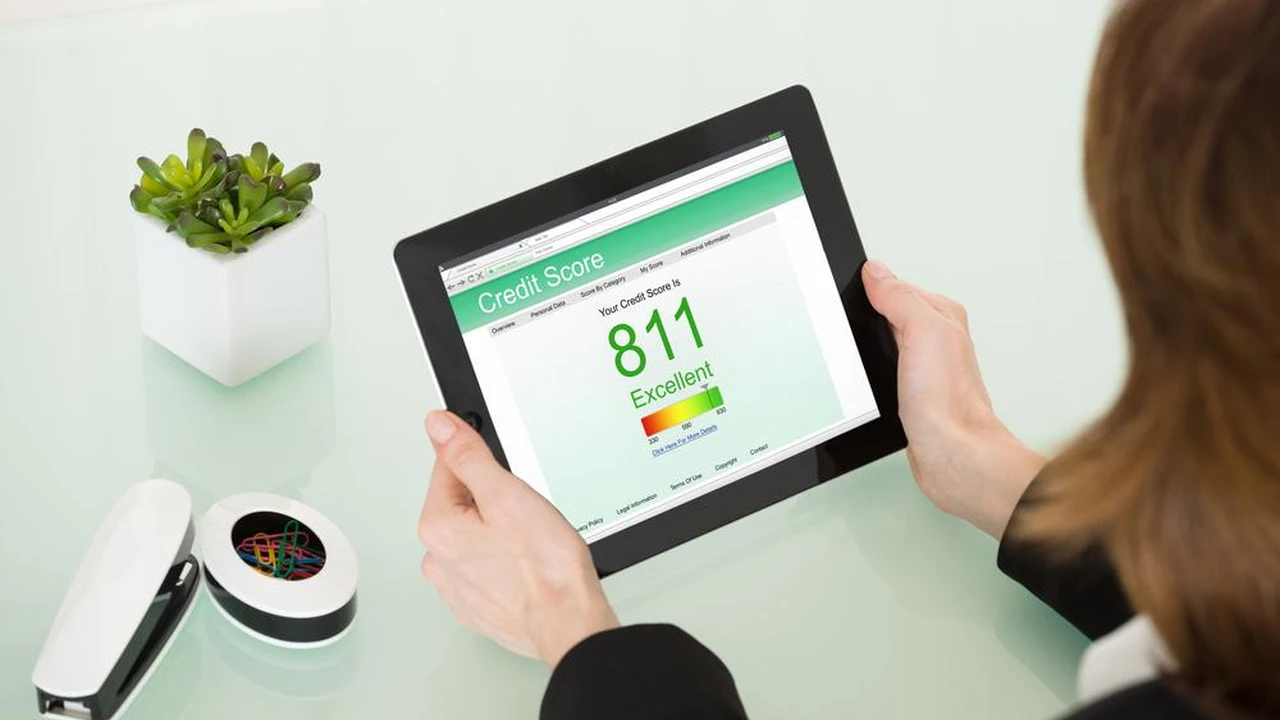
While AnnualCreditReport.com provides your credit report for free, it typically does not include your credit score. Your credit score is a separate product, and there are many different scoring models (FICO Score, VantageScore, etc.). However, there are numerous ways to access your credit score for free:
Free Credit Score Providers and Their Offerings
Many financial institutions and third-party services now offer free access to your credit score. Here are some popular and reliable options:
1. Credit Karma
- What it offers: Free VantageScore 3.0 scores from TransUnion and Equifax, along with credit reports from both bureaus.
- Key Features: Provides credit monitoring, personalized recommendations for credit cards and loans, and tools to track your credit progress.
- Use Case: Excellent for regular monitoring and understanding factors impacting your score. It's user-friendly and provides educational resources.
- Cost: Free. They make money through targeted advertisements for financial products.
2. Credit Sesame
- What it offers: Free VantageScore 3.0 from TransUnion, along with a credit report card and credit monitoring.
- Key Features: Focuses on debt management and offers insights into how to save money on loans and credit cards.
- Use Case: Good for those looking to improve their credit and find better financial products.
- Cost: Free. Similar to Credit Karma, they earn revenue from product recommendations.
3. Experian Free Credit Report and FICO Score
- What it offers: Experian provides a free FICO Score 8 (the most widely used FICO model) and your Experian credit report.
- Key Features: Direct access to one of your FICO scores and the corresponding report. Offers credit monitoring and alerts.
- Use Case: Essential for seeing your FICO score, which is what most lenders use.
- Cost: Free for basic access. They offer premium paid services for more detailed monitoring and additional scores.
4. MyFICO
- What it offers: While not entirely free for ongoing access, MyFICO is the official source for FICO scores. They sometimes offer free trials or promotional access.
- Key Features: Provides all three FICO scores (from Experian, Equifax, and TransUnion) and various FICO scoring models (e.g., FICO Auto Score, FICO Bankcard Score), which are used for specific types of lending.
- Use Case: Best for those who need to see all their FICO scores across different models, especially when applying for a mortgage or auto loan.
- Cost: Paid subscription service, but invaluable for comprehensive FICO score access.
5. Your Bank or Credit Card Issuer
- What it offers: Many banks and credit card companies now offer free access to a credit score (often a FICO Score or VantageScore) as a perk for their customers.
- Key Features: Conveniently integrated into your existing banking or credit card portal.
- Use Case: A simple way to keep an eye on your score without signing up for another service. Check your online banking portal or credit card statements for this feature.
- Cost: Free for existing customers.
Comparing Free Credit Score Products
When choosing a free credit score provider, consider the following:
- Scoring Model: Is it a FICO Score or a VantageScore? FICO is generally more widely used by lenders.
- Bureau Source: Which credit bureau's data is being used? It's good to see scores from all three over time.
- Frequency of Updates: How often is the score updated? Daily, weekly, or monthly?
- Additional Features: Does it offer credit monitoring, alerts, or educational resources?
For example, if you're about to apply for a mortgage, checking your FICO scores directly from MyFICO or Experian's free offering would be more relevant than relying solely on a VantageScore from Credit Karma, as mortgage lenders predominantly use FICO scores.
Protecting Yourself from Identity Theft and Fraud
Regularly checking your credit reports is one of the most effective ways to detect identity theft early. If you spot unfamiliar accounts, inquiries you didn't authorize, or incorrect personal information, it could be a sign that someone else is using your identity. Here's what to do if you suspect identity theft:
- Place a Fraud Alert: Contact one of the three credit bureaus to place a fraud alert on your credit file. The bureau you contact is required to notify the other two. A fraud alert makes it harder for identity thieves to open new accounts in your name.
- Freeze Your Credit: A credit freeze (also known as a security freeze) restricts access to your credit report, preventing new credit from being opened in your name. This is a more robust protection than a fraud alert. You must contact each of the three credit bureaus individually to place a freeze.
- File an Identity Theft Report: Report the theft to the Federal Trade Commission (FTC) at IdentityTheft.gov. They will provide you with a personalized recovery plan and an official Identity Theft Report.
- Contact Creditors: Reach out to any creditors where fraudulent accounts were opened.
- File a Police Report: While not always required, filing a police report can be helpful for some disputes.
Common Misconceptions About Credit Reports and Scores
Let's clear up some common misunderstandings:
- Checking your own credit hurts your score: This is false. Checking your own credit report or score (a 'soft inquiry') has no impact on your credit score. Only 'hard inquiries' from lenders when you apply for new credit can slightly lower your score.
- All credit scores are the same: Also false. There are hundreds of different credit scoring models, with FICO and VantageScore being the most prominent. Lenders use various models, so your score can differ depending on the source.
- Closing old credit cards helps your score: Often false. Closing old, unused credit cards can actually hurt your score by reducing your overall available credit and increasing your credit utilization ratio. It also shortens your credit history, which is a factor in your score.
- Paying off collections immediately removes them: Not necessarily. While paying off a collection is good, the collection account itself may remain on your report for up to seven years from the original delinquency date.
Maintaining a Healthy Credit Profile for Long Term Financial Success
Regularly checking your credit report is just one piece of the puzzle. To maintain a healthy credit profile and achieve long-term financial success, consider these practices:
- Pay Bills on Time: Payment history is the most significant factor in your credit score. Always pay your bills on or before the due date.
- Keep Credit Utilization Low: Try to keep your credit card balances below 30% of your credit limit. Lower is better.
- Maintain a Long Credit History: The longer your credit accounts have been open and in good standing, the better.
- Diversify Your Credit Mix: Having a mix of different types of credit (e.g., credit cards, installment loans) can positively impact your score, but only if managed responsibly.
- Apply for New Credit Sparingly: Only apply for credit when you genuinely need it, as each hard inquiry can slightly lower your score.
By following this guide and making credit report monitoring a regular part of your financial routine, you'll be well-equipped to protect your financial health, catch errors, and safeguard yourself against identity theft. Remember, knowledge is power, especially when it comes to your credit.
:max_bytes(150000):strip_icc()/277019-baked-pork-chops-with-cream-of-mushroom-soup-DDMFS-beauty-4x3-BG-7505-5762b731cf30447d9cbbbbbf387beafa.jpg)