Managing Student Loan Debt in the US A Practical Guide
A practical guide for US students and graduates on effectively managing and repaying student loan debt.
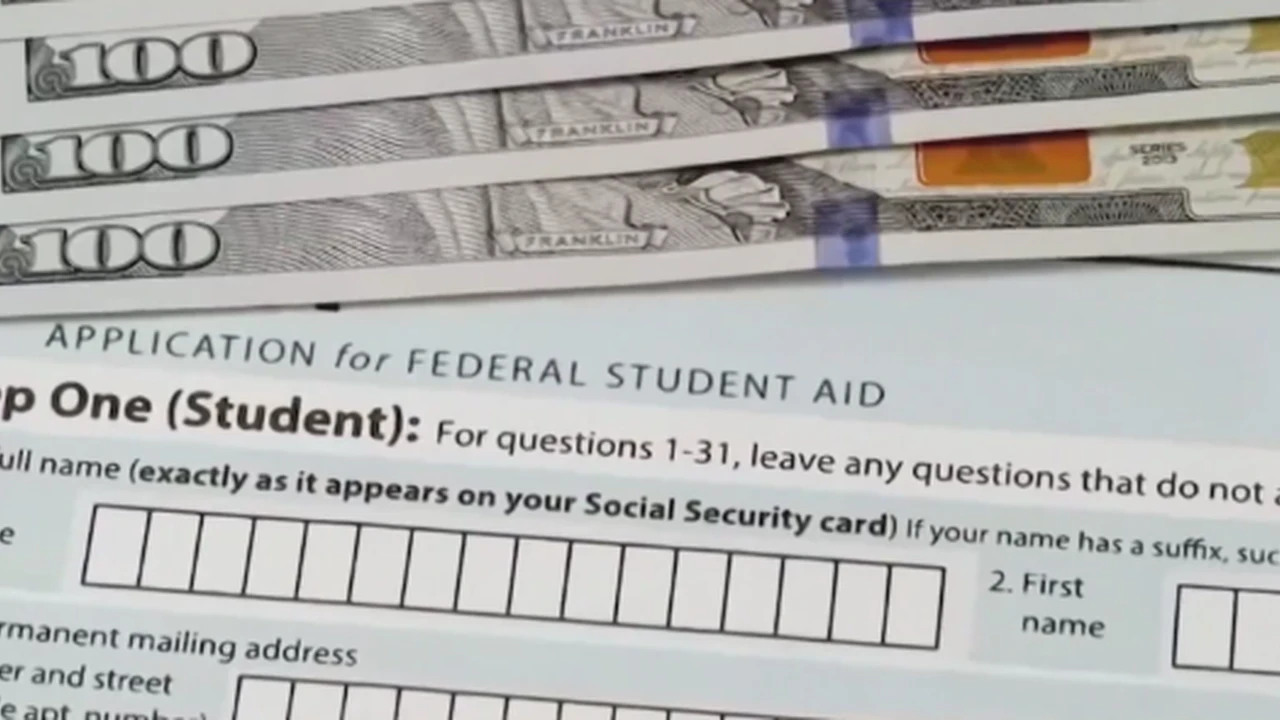
A practical guide for US students and graduates on effectively managing and repaying student loan debt.
Managing Student Loan Debt in the US A Practical Guide
Hey there, future-savvy student or recent grad! Let's talk about something that probably keeps a lot of us up at night: student loan debt. It's a huge topic in the US, and for good reason. Millions of Americans are navigating the complexities of student loans, trying to figure out the best way to manage them without feeling completely overwhelmed. Whether you're just starting to think about repayment or you're deep in the trenches, this guide is here to help you get a handle on your student loan debt. We're going to break down everything from understanding your loans to exploring repayment options, and even looking at some specific tools and strategies that can make a real difference. No jargon, just practical advice you can use right now.
Understanding Your Student Loans Federal vs Private Loans
First things first, you need to know what kind of loans you have. This is super important because federal and private loans operate under different rules, offer different protections, and have different repayment options. Think of it like knowing whether you're driving a car with an automatic or manual transmission – the basic goal is the same, but how you get there is different.
Federal Student Loans Key Features and Benefits
Federal student loans are issued by the US Department of Education. They come with a lot of perks that private loans typically don't, which is why financial aid advisors almost always recommend maxing out your federal loan options before even looking at private ones. Here's what makes them stand out:
- Fixed Interest Rates: Your interest rate won't change over the life of the loan, making your payments predictable.
- Income-Driven Repayment (IDR) Plans: This is a big one! Your monthly payment can be adjusted based on your income and family size. We'll dive deeper into these later.
- Loan Forgiveness Programs: Programs like Public Service Loan Forgiveness (PSLF) can wipe out your remaining balance after a certain number of qualifying payments.
- Deferment and Forbearance Options: If you hit a rough patch financially, you can temporarily pause your payments without defaulting.
- No Credit Check (for most): Many federal loans, like Stafford loans, don't require a credit check, making them accessible to more students.
Common types of federal loans include Direct Subsidized Loans, Direct Unsubsidized Loans, Direct PLUS Loans (for graduate students and parents), and Federal Perkins Loans (though these are no longer being disbursed).
Private Student Loans Understanding the Differences
Private student loans are offered by banks, credit unions, and other private lenders. They're often used to fill the gap when federal aid isn't enough to cover educational costs. While they can be a necessary evil for some, they come with fewer protections and often less flexibility than federal loans.
- Variable or Fixed Interest Rates: Private loans can have either, but variable rates can fluctuate, making your payments unpredictable. Fixed rates are generally higher than federal loan rates.
- Credit-Based Approval: You'll usually need a good credit score (or a co-signer with one) to qualify for a private loan and get a decent interest rate.
- Fewer Repayment Options: Lenders might offer some flexibility, but it's usually not as robust as federal IDR plans.
- Limited Forgiveness/Deferment: Private lenders are not obligated to offer the same deferment, forbearance, or forgiveness programs as the federal government.
It's crucial to know which loans are federal and which are private. You can usually find this information by logging into your loan servicer's website or checking the National Student Loan Data System (NSLDS) for federal loans.
Exploring Federal Student Loan Repayment Options Finding Your Best Fit
Okay, so you've got federal loans. Great! Now let's talk about the buffet of repayment options available to you. The goal here is to find a plan that fits your current financial situation and future goals. Don't just stick with the standard plan if it's not working for you!
Standard Repayment Plan The Default Option
This is the plan you're automatically enrolled in unless you choose otherwise. You pay a fixed amount each month for up to 10 years (or up to 30 years for consolidated loans). It's straightforward and you'll pay the least amount of interest overall, but the monthly payments can be high.
Graduated Repayment Plan Starting Small Growing Payments
With this plan, your payments start low and gradually increase every two years. It's also for up to 10 years. This can be good if you expect your income to rise over time, but you'll pay more interest than on the Standard Plan.
Extended Repayment Plan Lower Payments Longer Term
If you have more than $30,000 in federal student loans, you can opt for an Extended Repayment Plan, which stretches your payments out for up to 25 years. This lowers your monthly payment but significantly increases the total interest paid over the life of the loan.
Income-Driven Repayment IDR Plans Tailored to Your Income
These are the real game-changers for many borrowers. IDR plans cap your monthly payments at a percentage of your discretionary income. After a certain number of years (usually 20 or 25, depending on the plan and whether you have graduate loans), any remaining balance is forgiven. However, the forgiven amount might be considered taxable income. There are several IDR plans:
- Revised Pay As You Earn (REPAYE): Generally 10% of discretionary income.
- Pay As You Earn (PAYE): Generally 10% of discretionary income, but payments never exceed what they would be on the Standard Repayment Plan.
- Income-Based Repayment (IBR): Generally 10% or 15% of discretionary income, depending on when you took out your first loans.
- Income-Contingent Repayment (ICR): The older IDR plan, generally 20% of discretionary income or what you'd pay on a fixed 12-year plan, whichever is less.
- Saving on a Valuable Education (SAVE) Plan: This is the newest and often most beneficial IDR plan, replacing REPAYE. It calculates payments based on a larger income exemption, meaning lower payments for many. For undergraduate loans, payments will eventually drop to 5% of discretionary income (from 10%). It also has an interest subsidy, so if your payment doesn't cover the interest, the government covers the rest, preventing your balance from growing. This is a huge benefit!
To apply for or switch to an IDR plan, you'll need to submit an application through StudentAid.gov and recertify your income and family size annually.
Strategies for Tackling Private Student Loan Debt Maximizing Your Options
Private loans are a different beast. Since they lack the federal protections, your options are more limited, but not non-existent. Here's how to approach them:
Refinancing Private Student Loans Lowering Interest Rates
This is often the best strategy for private loans, especially if your credit score has improved since you first took them out. Refinancing means taking out a new loan (from a private lender) to pay off your existing private loans. The goal is to get a lower interest rate, which can save you thousands over the life of the loan. You might also be able to change your loan term (shorter for faster payoff, longer for lower monthly payments).
When to consider refinancing:
- You have a stable income and good credit score.
- You want to simplify payments by consolidating multiple private loans into one.
- You want to get a lower interest rate.
Important note: Never refinance federal loans into private loans unless you are absolutely certain you won't need federal protections like IDR plans or forgiveness programs. Once federal loans are refinanced, they lose all their federal benefits permanently.
Negotiating with Private Lenders Exploring Hardship Options
If you're struggling to make payments on private loans, don't just ignore them. Contact your lender! They might be willing to work with you, especially if you can demonstrate financial hardship. Options could include:
- Temporary forbearance: A short period where payments are paused. Interest usually still accrues.
- Interest-only payments: Paying only the interest for a period to lower your monthly burden.
- Loan modification: Changing the terms of your loan, though this is less common for private student loans.
It's always worth a call. Be prepared to explain your situation and provide documentation if requested.
Tools and Resources for Student Loan Management Making It Easier
Managing student loans can feel like a full-time job, but thankfully, there are tools and resources out there to help simplify the process. From government websites to budgeting apps, leveraging these can make a big difference.
StudentAid.gov Your Federal Loan Hub
This is your go-to resource for all things federal student loans. On StudentAid.gov, you can:
- View all your federal loan details (loan types, servicers, interest rates, balances).
- Apply for income-driven repayment plans.
- Consolidate your federal loans.
- Apply for deferment or forbearance.
- Learn about loan forgiveness programs.
It's essential to create an account and regularly check your information here.
Loan Servicer Websites Direct Management
Your loan servicer is the company that handles your billing and other services for your loans. For federal loans, common servicers include Nelnet, MOHELA, Aidvantage, and Edfinancial. For private loans, it could be Sallie Mae, Discover, Wells Fargo, etc. Your servicer's website is where you'll make payments, update your contact information, and often apply for specific repayment options or deferments.
Budgeting Apps and Software Tracking Your Finances
A solid budget is the foundation of good financial health, especially when managing debt. These tools can help you see where your money is going and identify areas where you can cut back to put more towards your loans.
- Mint: A popular free budgeting app that links to your bank accounts, credit cards, and loans. It categorizes your spending, helps you create budgets, and tracks your net worth. It's great for an overall financial picture.
- You Need A Budget (YNAB): This app (paid subscription) uses a zero-based budgeting approach, meaning every dollar has a job. It's fantastic for getting really granular with your spending and prioritizing debt repayment. Many users swear by its effectiveness in changing financial habits.
- Personal Capital (now Empower Personal Wealth): Offers free financial tracking tools, including a net worth tracker, budget planner, and investment analyzer. It's particularly strong if you have investments alongside your student loans.
Student Loan Refinancing Lenders Specific Product Recommendations
If you're considering refinancing private (or even federal, with caution) student loans, here are some reputable lenders to check out. Remember, shop around and get quotes from multiple lenders to find the best rate for your situation. Rates and terms vary widely based on your credit score, income, and loan amount.
Sofi A Popular Choice for Refinancing
- Overview: SoFi is one of the largest and most well-known student loan refinancing companies. They offer competitive rates and a variety of loan terms. They also offer unemployment protection, which can be a huge relief if you lose your job.
- Pros: Competitive rates (fixed and variable), no origination fees, unemployment protection, career services, and a streamlined application process.
- Cons: Requires good to excellent credit (typically 650+ FICO score) and a strong income history. Not ideal for those with poor credit.
- Typical Scenario: A recent graduate with a stable job and a good credit score looking to lower their interest rate and simplify multiple private loans into one payment.
- Estimated Rates: Variable rates often start around 5-7% APR, fixed rates around 6-9% APR, depending on market conditions and borrower creditworthiness. These are just estimates and can change.
Earnest Flexible Payments and Good Rates
- Overview: Earnest stands out for its flexible payment options, allowing borrowers to customize their payment schedule to fit their budget. They also offer competitive rates and a strong customer service reputation.
- Pros: Highly customizable payment options, competitive rates, no fees, and a skip-a-payment option (once every 12 months after 6 months of on-time payments).
- Cons: Strict eligibility requirements, including a strong credit history (typically 650+ FICO score) and sufficient savings.
- Typical Scenario: A borrower who wants more control over their monthly payment amount and schedule, perhaps someone whose income fluctuates slightly.
- Estimated Rates: Variable rates often start around 5.5-7.5% APR, fixed rates around 6.5-9.5% APR.
CommonBond Socially Conscious Lending
- Overview: CommonBond offers student loan refinancing with competitive rates and a unique social mission – for every loan funded, they fund the education of a child in need.
- Pros: Competitive rates, no origination or prepayment fees, offers forbearance options, and a social impact component.
- Cons: Also requires good credit and income. Their rates might not always be the absolute lowest, but they are competitive.
- Typical Scenario: A borrower with good credit who values working with a company that has a social mission, while still getting a good rate.
- Estimated Rates: Variable rates often start around 5.75-7.75% APR, fixed rates around 6.75-9.75% APR.
Credible A Marketplace for Comparison
- Overview: Credible isn't a lender itself, but rather an online marketplace that allows you to compare personalized rates from multiple lenders (including some of the ones listed above) in minutes, without affecting your credit score.
- Pros: Easy to compare multiple offers, transparent process, no impact on credit score for initial checks, and a wide network of lenders.
- Cons: You still have to go through the full application process with the chosen lender.
- Typical Scenario: Anyone looking to refinance who wants to quickly and easily see what rates they qualify for from various lenders without filling out multiple applications.
- Estimated Rates: Varies widely as it's a marketplace, but you can expect to see rates similar to those offered by individual lenders, tailored to your profile.
Important Considerations When Refinancing:
- Credit Score: The higher your score, the better your rate.
- Debt-to-Income Ratio: Lenders want to see that you can comfortably afford your payments.
- Co-signer: If your credit isn't stellar, a co-signer with excellent credit can help you qualify for a better rate.
- Fixed vs. Variable Rates: Fixed rates offer stability, while variable rates can be lower initially but carry the risk of increasing.
- Loan Term: A shorter term means higher monthly payments but less interest paid overall. A longer term means lower monthly payments but more interest.
Advanced Strategies for Accelerated Debt Payoff Getting Rid of Loans Faster
If your goal is to get rid of your student loans as quickly as possible, beyond just managing them, here are some strategies to consider. These often involve making extra payments or being very intentional with your money.
The Debt Avalanche Method Prioritizing High Interest Loans
This method focuses on saving the most money on interest. You make minimum payments on all your loans, but any extra money you have goes towards the loan with the highest interest rate. Once that loan is paid off, you take the money you were paying on it (minimum payment + extra) and apply it to the next loan with the highest interest rate. This continues until all loans are paid off.
Pros: Saves the most money on interest. Mathematically the most efficient.
Cons: Can take longer to see a loan completely paid off, which might be demotivating for some.
The Debt Snowball Method Building Momentum
This method focuses on psychological wins. You make minimum payments on all your loans, but any extra money goes towards the loan with the smallest balance. Once that loan is paid off, you take the money you were paying on it (minimum payment + extra) and apply it to the next smallest loan. This continues until all loans are paid off.
Pros: Provides quick wins and motivation as you pay off loans one by one.
Cons: You'll likely pay more in interest compared to the debt avalanche method.
Bi-Weekly Payments A Simple Trick
Instead of making one monthly payment, divide your monthly payment in half and pay that amount every two weeks. Because there are 52 weeks in a year, you'll end up making 26 half-payments, which equals 13 full monthly payments instead of 12. This small trick can shave years off your loan term and save you a significant amount in interest.
Making Extra Payments Directly to Principal Reducing Your Balance
Whenever you have extra cash – a bonus, a tax refund, or just some leftover money at the end of the month – make an extra payment. Crucially, instruct your loan servicer to apply this extra payment directly to the principal balance of your loan. If you don't specify, they might apply it to future interest, which doesn't help you pay down the loan faster.
Loan Forgiveness and Discharge Programs Understanding Eligibility
While not everyone will qualify, it's important to be aware of federal loan forgiveness and discharge programs. These can provide significant relief for eligible borrowers.
Public Service Loan Forgiveness PSLF for Public Servants
PSLF is a program for federal student loan borrowers who work full-time for a qualifying non-profit organization or government agency. After making 120 qualifying monthly payments (which don't have to be consecutive) under a qualifying repayment plan (usually an IDR plan), the remaining balance of your Direct Loans is forgiven. This forgiveness is tax-free.
Key requirements:
- Direct Loans (other federal loans may need to be consolidated into Direct Loans).
- Work full-time for a qualifying employer.
- Make 120 qualifying payments under an IDR plan.
It's vital to submit an Employment Certification Form (ECF) annually or whenever you change employers to track your progress.
Teacher Loan Forgiveness For Educators
This program is for teachers who work for five consecutive complete academic years in a low-income school or educational service agency. You can qualify for forgiveness of up to $17,500 on your Direct Subsidized and Unsubsidized Loans and your Subsidized and Unsubsidized Federal Stafford Loans.
Total and Permanent Disability Discharge For Those Unable to Work
If you become totally and permanently disabled, you may be eligible to have your federal student loans discharged. This requires documentation from a physician, the Department of Veterans Affairs, or the Social Security Administration.
Borrower Defense to Repayment For Misled Students
This program allows for the discharge of federal student loans if your school engaged in misconduct, such as making false promises or defrauding students. This has been a significant area of focus in recent years, with many borrowers receiving relief.
Closed School Discharge When Your School Shuts Down
If your school closes while you're enrolled or shortly after you withdraw, and you don't complete your program elsewhere, you might be eligible for a closed school discharge of your federal student loans.
Avoiding Common Student Loan Pitfalls Smart Moves to Make
Navigating student loans can be tricky, and there are some common mistakes that can cost you time and money. Here's how to steer clear of them:
Not Knowing Your Loan Details The First Step
As we discussed, understanding whether your loans are federal or private, their interest rates, and your servicers is fundamental. Don't just blindly make payments; know what you're paying for.
Ignoring Your Loans Default Has Consequences
Falling behind on payments or ignoring your loans can lead to default, which has severe consequences. Your credit score will plummet, your wages can be garnished, tax refunds can be withheld, and you can lose eligibility for future federal aid. If you're struggling, reach out to your servicer or the Department of Education immediately to explore options like deferment, forbearance, or IDR plans.
Refinancing Federal Loans Without Understanding the Risks
We touched on this, but it bears repeating: refinancing federal loans into private loans means giving up valuable federal protections. Only do this if you are absolutely confident you won't need IDR, forgiveness, or flexible deferment/forbearance options.
Not Recertifying IDR Plans Annually Missing Out on Benefits
If you're on an Income-Driven Repayment plan, you must recertify your income and family size annually. If you miss the deadline, your payments can revert to the higher Standard Repayment amount, and any unpaid interest might be capitalized (added to your principal balance).
Paying Only the Minimum When You Can Afford More Accelerating Payoff
While minimum payments keep you current, if you can afford to pay more, do it! Even an extra $50 or $100 a month can significantly reduce the total interest you pay and shorten your repayment period. Remember to specify that extra payments should go towards the principal.
Not Building an Emergency Fund First Financial Stability
Before aggressively paying down student loans, make sure you have a solid emergency fund (3-6 months of living expenses) saved up. This acts as a buffer against unexpected expenses, preventing you from going into more debt or missing loan payments if a financial crisis hits.
Final Thoughts on Student Loan Management Your Financial Future
Managing student loan debt is a marathon, not a sprint. It requires patience, planning, and consistent effort. But by understanding your loans, exploring all your repayment options, leveraging available tools, and avoiding common pitfalls, you can take control of your financial future. Don't be afraid to ask for help from your loan servicer or a non-profit credit counselor if you're feeling overwhelmed. You've got this!
:max_bytes(150000):strip_icc()/277019-baked-pork-chops-with-cream-of-mushroom-soup-DDMFS-beauty-4x3-BG-7505-5762b731cf30447d9cbbbbbf387beafa.jpg)