How to Dispute Errors on Your Credit Report in the US
A step-by-step guide for US consumers on how to effectively dispute errors found on their credit reports.
A step-by-step guide for US consumers on how to effectively dispute errors found on their credit reports.
How to Dispute Errors on Your Credit Report in the US
Understanding Your Credit Report and Why Accuracy Matters
Hey there! Let's talk about your credit report. It's basically your financial report card, a detailed summary of your credit history. Lenders, landlords, and even some employers use it to assess your financial reliability. A good credit report can open doors to better interest rates on loans, easier apartment approvals, and even lower insurance premiums. But what happens when there's a mistake on it? An error, no matter how small, can seriously ding your credit score, costing you money and opportunities. That's why knowing how to dispute errors on your credit report in the US is super important. We're talking about protecting your financial future here!
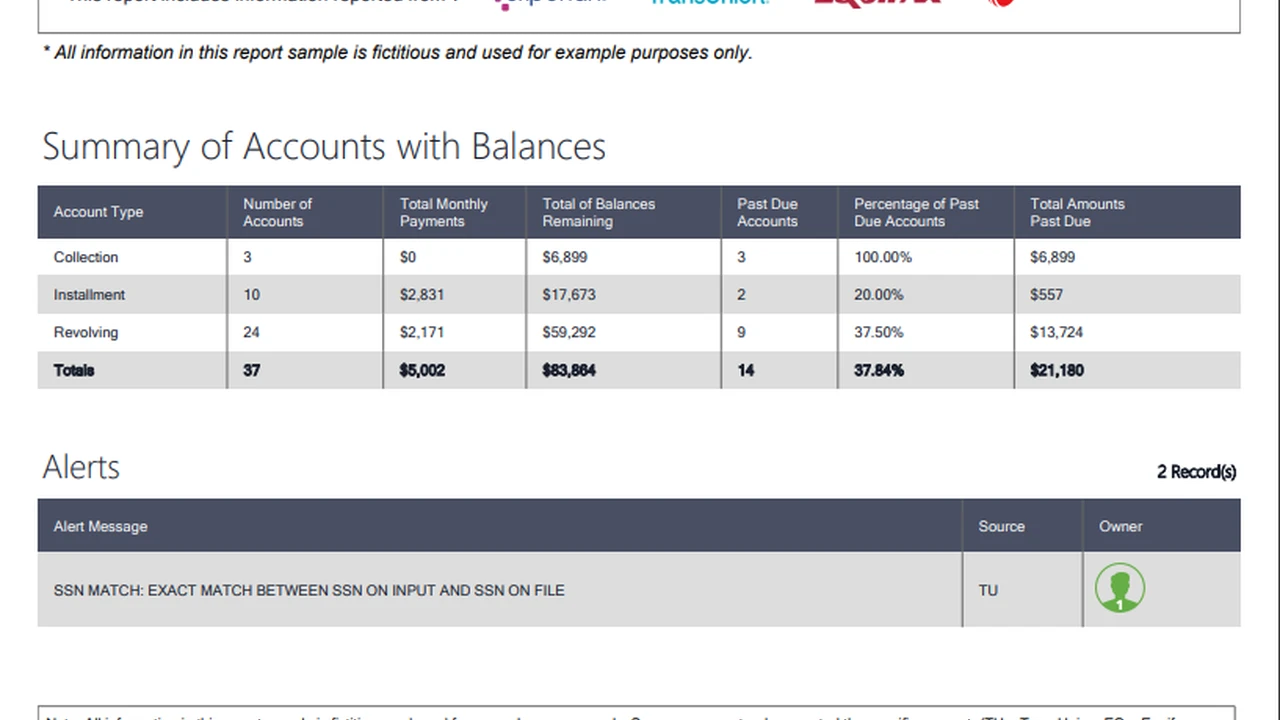
Credit reports are compiled by three major credit bureaus: Equifax, Experian, and TransUnion. Each bureau collects information from various creditors and public records. While they aim for accuracy, mistakes happen more often than you might think. These errors can range from incorrect personal information (like a wrong address or misspelled name) to more serious issues like accounts you never opened, incorrect payment statuses, or even fraudulent activity. Identifying and correcting these errors is crucial for maintaining a healthy credit score and ensuring you're not unfairly penalized.
Identifying Common Credit Report Errors and Red Flags
So, how do you spot these sneaky errors? The first step is to regularly check your credit reports. You're entitled to a free copy of your credit report from each of the three major bureaus once every 12 months through AnnualCreditReport.com. It's a good idea to space these out, perhaps checking one every four months, to keep a continuous eye on your credit health.
When you get your reports, don't just skim them. Go through every single detail with a fine-tooth comb. Here are some common red flags to look out for:
- Incorrect Personal Information: Misspellings of your name, wrong addresses, or an incorrect date of birth. While seemingly minor, these can sometimes lead to mixed files with other individuals.
- Accounts You Don't Recognize: This is a big one and could be a sign of identity theft. Any credit card, loan, or other account that you didn't open should be immediately investigated.
- Incorrect Account Status: An account you paid off still showing as open, or a payment marked as late when you paid it on time.
- Duplicate Accounts: The same account listed multiple times, which can artificially inflate your debt-to-income ratio.
- Incorrect Balances or Credit Limits: Balances that are higher than what you owe, or credit limits that are lower than they should be.
- Outdated Information: Negative information (like late payments or bankruptcies) that should have fallen off your report after a certain period (usually 7-10 years).
- Public Record Errors: Incorrect information about bankruptcies, tax liens, or civil judgments.
Catching these errors early can save you a lot of headaches and financial stress down the line. Make it a habit to review your reports regularly.
Step-by-Step Guide to Disputing Errors with Credit Bureaus
Okay, you've found an error. Don't panic! Here's a step-by-step guide on how to dispute it effectively with the credit bureaus:
Step 1: Gather Your Evidence and Documentation
Before you even think about contacting the credit bureaus, you need to arm yourself with evidence. This is like building a case for court! Collect any documents that support your claim. For example:
- Bank statements showing on-time payments.
- Canceled checks or payment confirmations.
- Letters from creditors confirming account closure or payment.
- Police reports if you suspect identity theft.
- Copies of your credit report highlighting the specific error.
The more proof you have, the stronger your dispute will be. Make copies of everything; never send originals.
Step 2: Contact the Credit Bureau Directly
You can dispute errors with each credit bureau online, by mail, or by phone. While online disputes are often the quickest, sending a dispute letter via certified mail with a return receipt requested provides a paper trail, which can be invaluable if things get complicated.
Online Dispute Portals: Quick and Convenient
- Equifax: Visit Equifax Dispute Center
- Experian: Visit Experian Dispute Center
- TransUnion: Visit TransUnion Dispute Center
When disputing online, you'll typically need to create an account, provide personal information to verify your identity, and then clearly describe the error and upload your supporting documents. Keep screenshots of your submission and any confirmation numbers.
Disputing by Mail: The Formal Approach
If you prefer a more formal approach or want a clear paper trail, send a dispute letter. Here's what your letter should include:
- Your full name, address, and phone number.
- Your date of birth and Social Security number.
- A clear statement that you are disputing information on your credit report.
- Identify the specific item(s) you are disputing, including the account number and the name of the creditor.
- Clearly explain why you believe the information is inaccurate.
- Request that the information be removed or corrected.
- List the documents you are enclosing as proof.
Send your letter via certified mail with a return receipt requested. This proves that the credit bureau received your dispute.
Mailing Addresses for Disputes:
- Equifax: Equifax Information Services LLC, P.O. Box 740256, Atlanta, GA 30374-0256
- Experian: Experian, P.O. Box 4500, Allen, TX 75013
- TransUnion: TransUnion LLC, Consumer Dispute Center, P.O. Box 2000, Chester, PA 19016
Step 3: Contact the Creditor Directly (Optional but Recommended)
While the credit bureaus are legally obligated to investigate your dispute, it's often a good idea to also contact the creditor who reported the information. Sometimes, a direct conversation with the creditor can resolve the issue faster, especially if it's a simple mistake on their end. Send them a similar letter, again via certified mail, explaining the error and providing your evidence.
Why contact the creditor? If the creditor confirms the error, they can then notify all three credit bureaus to correct the information, potentially speeding up the process across the board.
Step 4: Follow Up and Monitor Your Reports
Once you've submitted your dispute, the credit bureaus generally have 30 days (sometimes up to 45 days if you submit additional information during the investigation period) to investigate your claim. They will contact the creditor who reported the information and ask them to verify its accuracy.
During this time, keep an eye on your mail and email for updates. The credit bureau will send you a letter detailing the results of their investigation. If the information is found to be inaccurate, it must be removed or corrected. If the information is verified as accurate, it will remain on your report.
After the investigation is complete, request an updated copy of your credit report from each bureau to ensure the correction has been made. If the error was removed from one report, make sure it's removed from all three.
What Happens if Your Dispute is Denied? Next Steps and Escalation
Sometimes, despite your best efforts, a dispute might be denied. Don't throw in the towel just yet! You still have options:
Option 1: Re-dispute with Additional Information
If your initial dispute was denied, review the credit bureau's response carefully. Did they provide a reason for the denial? Do you have any new or stronger evidence you can present? Sometimes, simply providing more compelling documentation can lead to a different outcome. Re-submit your dispute with any new information you have.
Option 2: Add a Statement of Dispute to Your Report
If the credit bureau insists the information is accurate but you still disagree, you have the right to add a brief statement (usually 100 words or less) to your credit report explaining your side of the story. This statement will be included whenever your credit report is accessed by potential lenders or creditors. While it won't remove the negative item, it can provide context and potentially influence a lender's decision.
Option 3: File a Complaint with the CFPB
The Consumer Financial Protection Bureau (CFPB) is a government agency that protects consumers in the financial marketplace. If you believe a credit bureau or creditor has violated your rights under the Fair Credit Reporting Act (FCRA), you can file a complaint with the CFPB. They will forward your complaint to the company and work to get a response. This can sometimes prompt a re-evaluation of your dispute.
Visit the CFPB website to file a complaint.
Option 4: Seek Legal Counsel
In more complex or persistent cases, especially if you believe your rights under the FCRA have been violated, you might consider consulting with a consumer law attorney. Many attorneys specialize in credit report disputes and can help you navigate the legal process. They might even be able to sue the credit bureau or creditor for damages if they have failed to comply with the law.
Protecting Yourself from Future Credit Report Errors and Identity Theft
Preventing errors is always better than fixing them. Here are some proactive steps you can take to protect your credit report and guard against identity theft:
- Regularly Monitor Your Credit Reports: As mentioned, check your reports from all three bureaus annually. Consider staggering them throughout the year.
- Sign Up for Credit Monitoring Services: Many services, some free and some paid, can alert you to significant changes on your credit report, such as new accounts opened in your name or large inquiries.
- Review Your Account Statements: Carefully check your credit card and bank statements each month for any unauthorized transactions.
- Be Wary of Phishing Scams: Never give out personal financial information in response to unsolicited emails, texts, or phone calls.
- Use Strong, Unique Passwords: For all your online financial accounts, use complex passwords and consider two-factor authentication.
- Shred Sensitive Documents: Before throwing away old bank statements, credit card offers, or other documents containing personal information, shred them.
- Place a Fraud Alert or Credit Freeze: If you suspect identity theft, immediately place a fraud alert on your credit reports. This requires creditors to take extra steps to verify your identity before opening new accounts. For even stronger protection, consider a credit freeze, which restricts access to your credit report entirely.
Recommended Credit Monitoring Services and Tools
While you can always manually check your credit reports, credit monitoring services can provide an extra layer of protection and convenience. Here are a few popular options, keeping in mind that features and pricing can vary:
Free Credit Monitoring Tools:
- Credit Karma: Offers free credit scores (VantageScore 3.0 from TransUnion and Equifax) and credit reports, along with monitoring and alerts for significant changes. They also provide personalized recommendations for credit cards and loans. While not FICO scores, they give a good indication of your credit health.
- Credit Sesame: Similar to Credit Karma, Credit Sesame provides a free credit score (VantageScore 3.0 from TransUnion), credit report card, and monitoring alerts. They also offer identity theft protection features.
- Experian Free Credit Report and FICO Score: Experian offers a free account that provides access to your Experian credit report and FICO Score 8, along with basic monitoring. This is a great option for getting one of your actual FICO scores.
- Your Bank or Credit Card Company: Many financial institutions now offer free credit score access and monitoring services to their customers. Check with your bank or credit card issuer to see if they provide this benefit.
Paid Credit Monitoring Services:
For more comprehensive protection, including all three bureau reports and scores, identity theft insurance, and more advanced monitoring, you might consider a paid service. These typically range from $10 to $30 per month.
- IdentityForce: A highly-rated service offering comprehensive identity theft protection, credit monitoring from all three bureaus, and identity theft insurance. Plans typically start around $17.99/month for UltraSecure.
- LifeLock (by Norton): One of the most well-known identity theft protection services, LifeLock offers various plans that include credit monitoring, identity theft alerts, and restoration services. Plans can range from $9.99/month to $29.99/month or more, depending on the level of coverage.
- Experian IdentityWorks: Experian's own premium service, offering three-bureau credit monitoring, FICO scores, identity theft insurance, and dark web monitoring. Plans typically start around $9.99/month.
- MyFICO: If getting your actual FICO scores from all three bureaus is your top priority, MyFICO is the go-to. They offer various plans that provide access to multiple FICO score versions and three-bureau reports and monitoring. Plans can range from $19.95/month to $39.95/month.
When choosing a service, consider what's most important to you: just basic monitoring, full identity theft protection, or access to specific FICO score versions. Read reviews and compare features to find the best fit for your needs and budget.
The Fair Credit Reporting Act FCRA Your Rights as a Consumer
It's important to know that you're not alone in this. The Fair Credit Reporting Act (FCRA) is a federal law that protects your rights regarding your credit report. It dictates how credit bureaus and creditors collect, use, and share your financial information. Here are some key rights under the FCRA:
- Right to Access Your Credit Report: You have the right to receive a free copy of your credit report from each of the three nationwide credit reporting companies once every 12 months.
- Right to Dispute Inaccurate Information: If you find errors, you have the right to dispute them, and the credit bureaus must investigate within a reasonable timeframe (usually 30 days).
- Right to Have Inaccurate Information Removed: If an investigation finds that information is inaccurate or cannot be verified, it must be removed from your report.
- Right to Privacy: Your credit report can only be provided to people with a legitimate need for it, such as lenders, landlords, and employers (with your permission).
- Right to Damages: If a credit bureau or creditor violates the FCRA, you may have the right to sue them for damages.
Understanding these rights empowers you to take control of your credit health and ensures that you are treated fairly by credit reporting agencies and creditors. Don't hesitate to exercise these rights if you believe they've been violated.
Final Thoughts on Maintaining a Healthy Credit Profile
Keeping your credit report accurate is an ongoing process, not a one-time fix. By regularly checking your reports, promptly disputing any errors, and taking steps to protect your personal information, you're building a strong foundation for your financial well-being. A healthy credit profile isn't just about getting loans; it's about financial freedom and peace of mind. So, stay vigilant, stay informed, and keep that credit report sparkling clean!
:max_bytes(150000):strip_icc()/277019-baked-pork-chops-with-cream-of-mushroom-soup-DDMFS-beauty-4x3-BG-7505-5762b731cf30447d9cbbbbbf387beafa.jpg)